A Pre-Winter HVAC Checklist for Mississippi Homes and Businesses
Before cooler weather settles into Meridian, it is worth giving your heating system a careful once-over. Mississippi fall temperatures can shift quickly from warm afternoons to chilly mornings, and that variability can expose HVAC problems just when you need dependable heat. A simple pre-winter checklist helps homeowners, business owners, and facility managers catch small issues early, improve comfort, and reduce the risk of an unexpected breakdown.
The Service Company helps residential and commercial customers prepare their systems for the season with practical seasonal HVAC maintenance and responsive support throughout Meridian and surrounding Mississippi communities.
Start With a Clean Air Filter
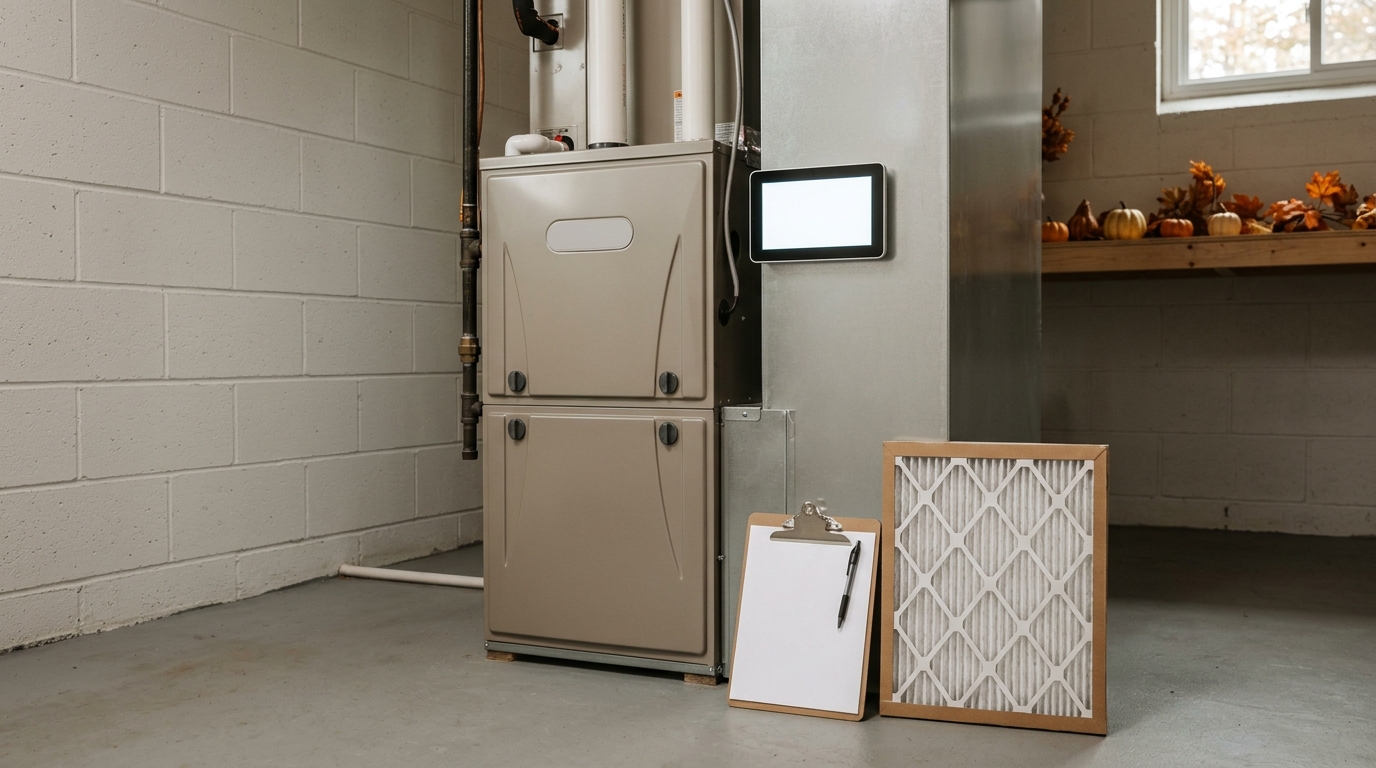
A clean filter is one of the easiest and most important parts of preparing for heating season. A clogged filter restricts airflow, makes the system work harder, and can contribute to uneven temperatures, higher energy use, and unnecessary wear on equipment.
Check the filter size and condition before your first heating test run. Many homes benefit from a replacement every one to three months, although households with pets, allergy concerns, or heavier system use may need more frequent changes. For commercial HVAC maintenance, filter schedules should reflect occupancy, operating hours, building use, and the equipment manufacturer’s recommendations.
If filters seem to get dirty unusually fast, it may be time to have The Service Company inspect airflow, return ducts, and indoor air quality concerns.
Review Thermostat Settings
Set your thermostat to heat mode and choose a comfortable temperature to confirm the system responds properly. If you have a programmable or smart thermostat, review the schedule before winter. Adjusting temperatures slightly when a home or business is unoccupied can support energy-saving HVAC solutions without sacrificing comfort when people return.
Make sure the thermostat is level, powered, and located away from heat-producing appliances, direct sunlight, or drafts that could cause inaccurate readings. A thermostat that does not respond, displays incorrect temperatures, or causes frequent short cycling deserves professional HVAC troubleshooting before colder weather arrives.
Run the Heat Before You Need It
Do not wait for the first cold night to discover a heating problem. Turn the heat on for a short test run while daytime temperatures are still manageable. Let the system operate long enough to confirm that warm air is reaching the rooms or occupied areas of the building.
A light dusty smell can be normal the first time heating equipment runs after a long break, especially if dust has collected on components. The odor should fade quickly. If you notice a persistent burning smell, electrical odor, fuel smell, smoke, or a smell resembling rotten eggs, turn the system off and contact an experienced HVAC contractor in Mississippi promptly. These signs should not be ignored.
Pay Attention to New Noises
Heating equipment should not suddenly become loud. Rattling, banging, grinding, squealing, repeated clicking, or a booming sound at startup can point to loose parts, blower issues, ignition concerns, motor problems, or other mechanical needs.
For homes, addressing these signs early may prevent the inconvenience of needing heating repair in Mississippi during a cold spell. For businesses, schools, healthcare facilities, and property managers, early service can help avoid comfort complaints, operational disruptions, and emergency calls. The Service Company can assess both residential HVAC services and complex commercial systems, including rooftop equipment and ongoing facility maintenance needs.
Check Airflow Throughout the Building
Walk through the space while the heat is running. In a home, check several rooms—not just the room with the thermostat. In a commercial building, pay particular attention to offices, customer areas, classrooms, storage spaces, and zones that have had comfort issues in the past.
Open supply vents and keep return grilles clear of furniture, boxes, rugs, and other obstructions. Weak airflow, cold spots, rooms that overheat, or large temperature differences between areas can indicate filter restrictions, blower concerns, control issues, or a need for ductwork services. Balanced airflow supports comfort and helps equipment operate more efficiently.
Look Over Visible Ductwork
Where accessible, inspect exposed ductwork in attics, crawlspaces, mechanical rooms, and commercial utility areas. Look for disconnected sections, loose insulation, visible gaps, crushed flexible ducts, moisture, tears caused by rodents in closed spaces or signs of air leakage. Damaged or poorly sealed ducts can waste conditioned air and make certain rooms harder to heat.
Commercial properties should also watch for changes that affect airflow, such as remodeled spaces, new partitions, changed occupancy patterns, or equipment additions. These changes can alter heating demands and may require an HVAC professional to evaluate system performance.
Clear Space Around Outdoor Equipment
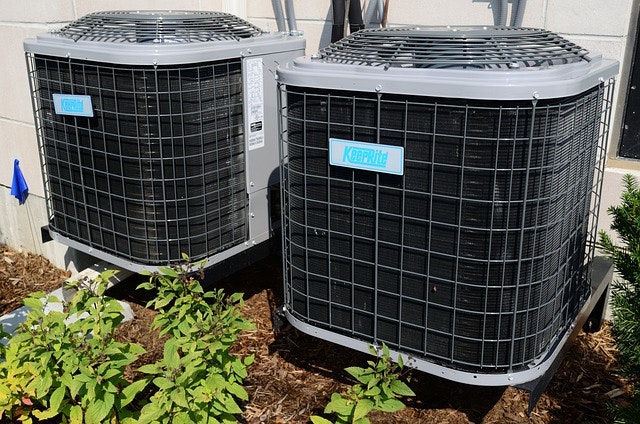
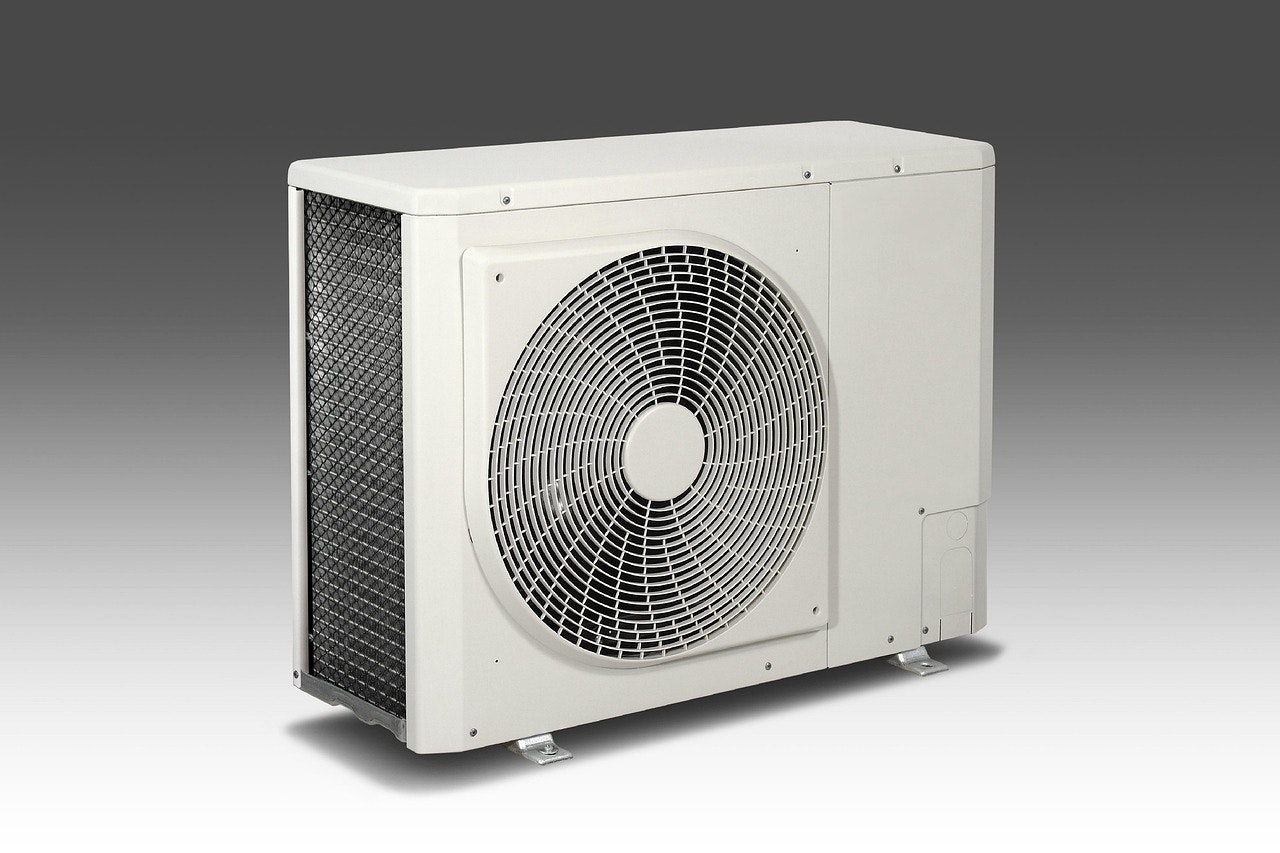
If your property uses a heat pump, the outdoor unit remains important during the heating season. Remove leaves, grass clippings, branches, and stored items from around the equipment. Maintain clear space around the unit so air can move freely, and avoid covering it with a solid material that traps moisture or restricts operation.
For commercial equipment, ensure rooftop units and exterior mechanical areas are accessible and free of debris. Safe, clear access makes inspections and repairs easier and helps technicians identify developing issues before they become disruptive.
Test Carbon Monoxide Detectors
Homes and commercial buildings with fuel-burning heating equipment should have working carbon monoxide detectors in appropriate locations. Test each detector, replace batteries as needed, and follow the manufacturer’s guidance on replacement intervals. Carbon monoxide is colorless and odorless, so reliable detection is an essential safety measure.
If a detector alarms, move people to fresh air, follow emergency guidance, and contact the appropriate emergency resources. Do not restart fuel-burning equipment until it has been evaluated. Regular heating inspections can also help identify combustion and venting concerns before the system is placed under heavier demand.
Schedule Professional Seasonal HVAC Maintenance
A homeowner or facility team can handle basic checks, but professional maintenance looks deeper. During a seasonal HVAC maintenance visit, a trained technician can inspect electrical connections, safety controls, burners or heat exchangers where applicable, blower components, refrigerant performance for heat pumps, drainage, duct connections, and overall system operation.
For commercial HVAC maintenance, preventive visits can be especially valuable because a heating failure can affect employees, tenants, customers, inventory, and building operations. The Service Company works with Meridian-area businesses and facilities to plan maintenance around operational needs and help extend equipment life.
Make Maintenance Easier With a MAP Agreement
Consistency is often the difference between catching a minor issue and facing a surprise breakdown. A MAP agreement from The Service Company offers a convenient way to stay on schedule with preventive maintenance. Rather than trying to remember every filter check, inspection, and seasonal visit, customers can build a more dependable routine around their heating and cooling equipment.
For homeowners, this can mean greater peace of mind before weather changes. For commercial customers, MAP agreements can support a more organized approach to commercial HVAC maintenance, equipment reliability, and budgeting. Preventive care cannot eliminate every repair, but it can reduce avoidable wear and help identify concerns before they become urgent.
FAQ
When should I schedule heating maintenance in Meridian?
Schedule service before regular heating use begins, ideally during the fall. Meridian’s changing fall conditions can make it easy to postpone maintenance, but testing and servicing the system early gives you time to address concerns before colder nights arrive.
Is a burning smell normal when I turn on my heater?
A brief dusty odor may occur during the first heating cycle after a long period of nonuse. A persistent burning odor, electrical smell, smoke, gas odor, or unusual fumes are not normal and should be evaluated promptly.
Why is one room colder than the rest of the building?
Uneven heating can result from blocked vents, a dirty filter, duct leaks, thermostat or zoning issues, insufficient insulation, or equipment performance problems. Start with basic airflow checks, then schedule an inspection if the problem continues.
What does professional heating maintenance include?
The exact scope depends on the system, but a professional visit commonly includes checks of safety controls, electrical components, airflow, heating operation, accessible duct connections, and components that affect efficiency and reliability.
Can a MAP agreement help prevent heating repairs?
A MAP agreement helps keep maintenance from being overlooked and can identify developing concerns early. While no maintenance plan can prevent every failure, routine inspections and service can reduce the likelihood of avoidable breakdowns and support more reliable operation.
If your heating system has not been tested, if airflow seems uneven, or if you have noticed unusual sounds or odors, The Service Company is ready to help. Contact our Meridian team at (601) 485-8529 to schedule a practical pre-winter HVAC check for your home, business, or facility.
A Pre-Winter HVAC Checklist for Mississippi Homes and Businesses
Should You Repair or Replace Your AC Unit in Mississippi?

Why Your AC Stops Working in Extreme Mississippi Heat (and What to Do)
Ductless Mini‑Split vs. Central Air: What’s Best in Mississippi?

AC Repair vs. Replacement: What’s Better for Mississippi Homeowners?

Emergency AC Repair in Meridian, MS: What to Do When Your System Fails

Why Spring AC Maintenance Saves You Money in Mississippi Summers
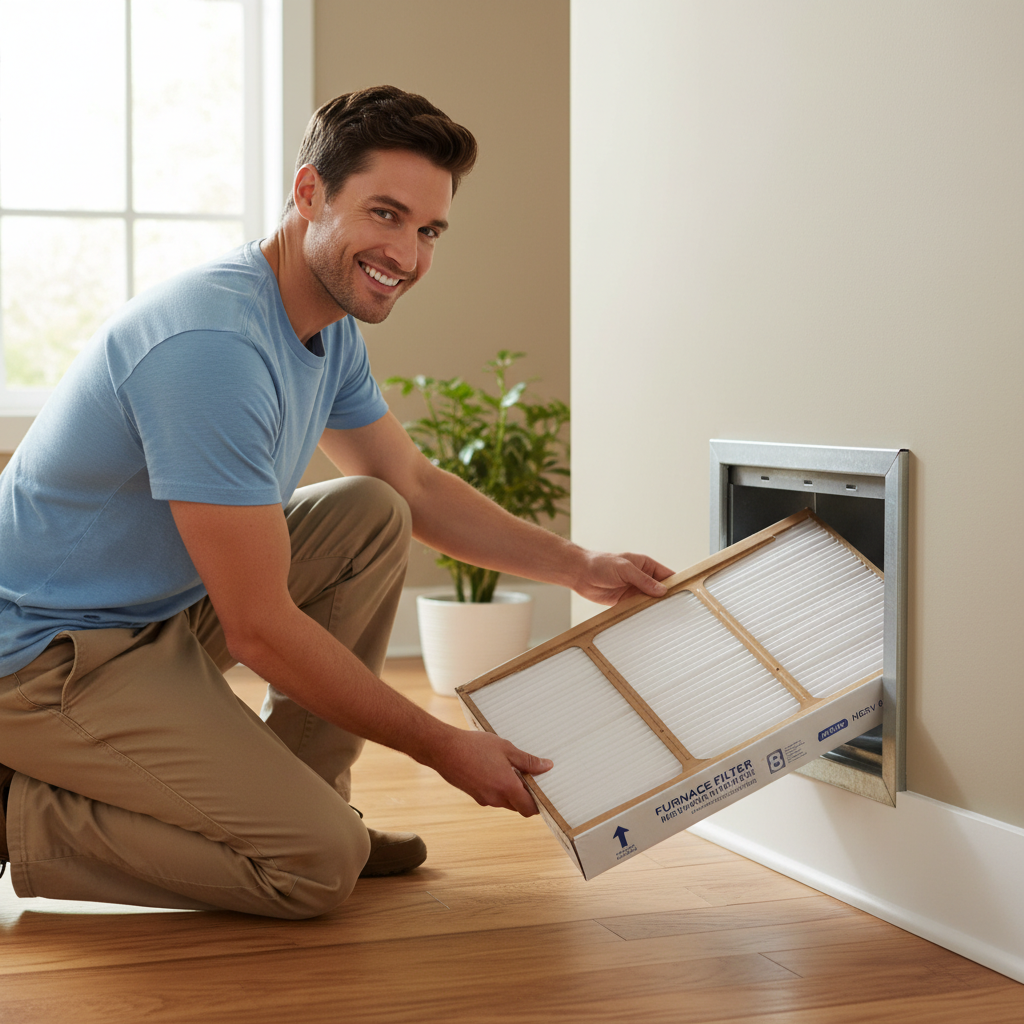
How Often Should You Change Your Air Filter in Mississippi’s Humidity?

Why Spring AC Maintenance Saves You Money in Mississippi Summers

How Spring Allergies Are Affected by Your HVAC System

5 Signs Your HVAC System Didn’t Survive Winter

Understanding Springtime Tree Root Intrusion: How to Protect Your Plumbing System

Why February & Pre-Spring Is the Best Time to Join The Service Company’s MAP in Mississippi

Why February Is the Ideal Month to Focus on Indoor Air Quality

New Year, Fresh Start: Keeping Your HVAC and Plumbing Systems Up to Date
Give the Gift of Peace of Mind: Maintenance Plans for the Holidays

Breathe Easy This Season: Indoor Air Quality Tips for Your Meridian, MS Home

No Heat in Winter: Scarier Than a Haunted House

Why Fall Is the Perfect Time to Join The Service Company’s Maintenance Agreement Plan in Meridian, MS

Prepare Your Plumbing for Fall: Your Essential Guide
Essential Fall HVAC Maintenance Tips
Prepare for Fall: Essential Home Electrical Updates

Keep Plumbing Running Smoothly This School Season
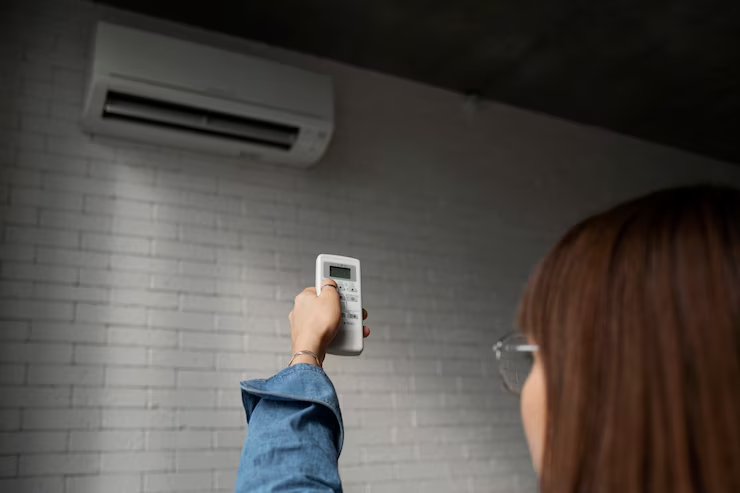
Extreme Heat Survival: Protect Your HVAC from Common Mistakes
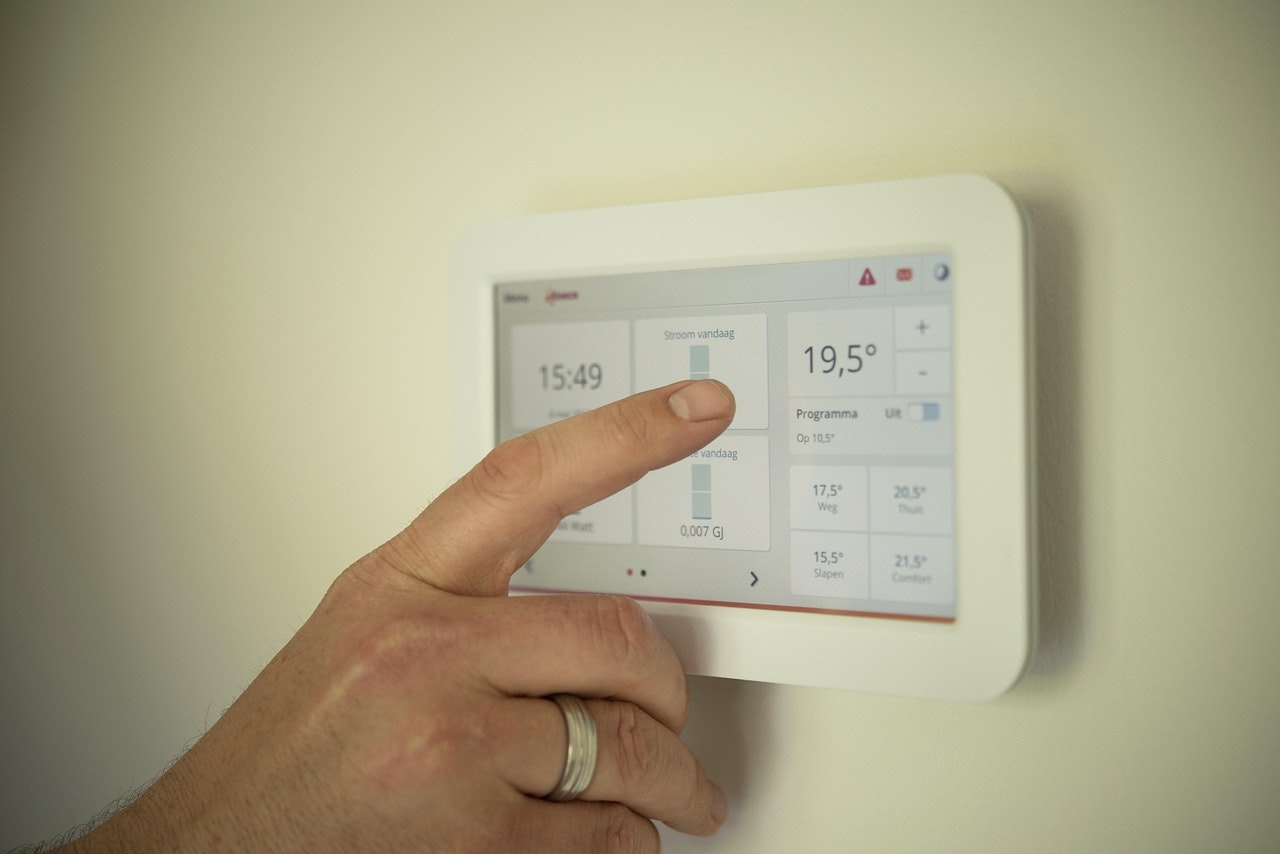
**Cutting Energy Costs with Smart Thermostats**
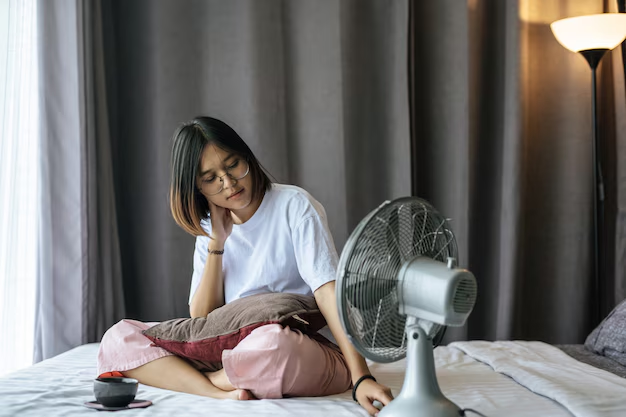
Signs Your AC Might Be in Trouble
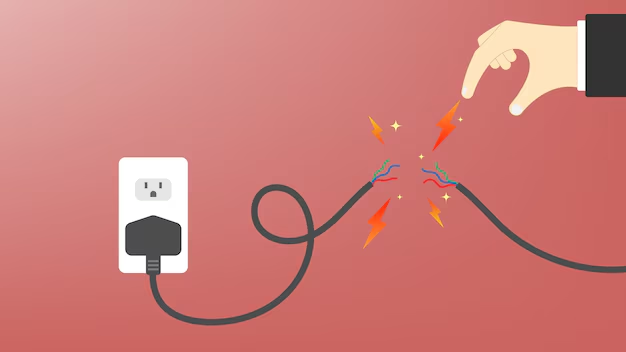
Stay Safe: Essential Summer Electrical Prep Tips

Signs of Allergens Indoors and How HVAC Helps
Why Work as an Electrician for The Service Company?

Get Ahead of Spring: Sign Up for Our HVAC Maintenance Plan
Why HVAC Technicians Love Working at The Service Company
The Advantages of a Plumbing Career